
You don't need an excuse to have beautiful nails. Step outside without worrying about the appearance of your feet.
You don't need an excuse to have beautiful nails. Step outside without worrying about the appearance of your feet.

Falling at work can injure the feet and ankles through sudden twisting, impact, or excessive force. A workplace fall may affect bones, ligaments, or nerves. Symptoms can include pain, swelling, and difficulty bearing weight. Some injuries appear immediately, while others become more painful as inflammation develops. Even when a person can still walk, an injury may require professional evaluation.
Ankle sprains are common after a fall and occur when ligaments supporting the joint are stretched or torn. Fractures happen when bones crack or break from impact, twisting, or compression. Achilles tendon injuries affect the strong tendon connecting the calf muscles to the heel and can range from irritation to a complete rupture. Additionally, nerve injuries may cause numbness, tingling, burning, or changes in sensation around the foot or ankle.
Workplace risks include wet floors, uneven surfaces, and poor lighting. Employees who climb stairs, work at heights, or carry materials may face additional fall hazards. Previous injuries can also increase risk because the foot or ankle may have reduced strength, flexibility, or stability. Recognizing hazards and reporting unsafe conditions can help reduce preventable workplace injuries.
A podiatrist evaluates the injury by reviewing the accident and examining the foot and ankle. The assessment may include checking circulation, sensation, and joint stability. Imaging can help identify fractures or significant soft-tissue damage. Treatment may include wearing protective footwear, bracing, and activity modification, depending on the diagnosis. Follow-up appointments allow the podiatrist to monitor healing and adjust care as needed. If you have suffered a foot injury after falling at work, it is suggested that you consult a podiatrist for an accurate diagnosis and appropriate treatment.
Preventing falls among the elderly is very important. If you are older and have fallen or fear that you are prone to falling, consult with Jennifer M. Kern, DPM from South Carolina. Our doctor will assess your condition and provide you with quality advice and care.
Every 11 seconds, an elderly American is being treated in an emergency room for a fall related injury. Falls are the leading cause of head and hip injuries for those 65 and older. Due to decreases in strength, balance, senses, and lack of awareness, elderly persons are very susceptible to falling. Thankfully, there are a number of things older persons can do to prevent falls.
How to Prevent Falls
Some effective methods that older persons can do to prevent falls include:
Falling can be a traumatic and embarrassing experience for elderly persons; this can make them less willing to leave the house, and less willing to talk to someone about their fears of falling. Doing such things, however, will increase the likelihood of tripping or losing one’s balance. Knowing the causes of falling and how to prevent them is the best way to mitigate the risk of serious injury.
If you have any questions, please feel free to contact our office located in West Columbia, SC . We offer the newest diagnostic and treatment technologies for all your foot care needs.
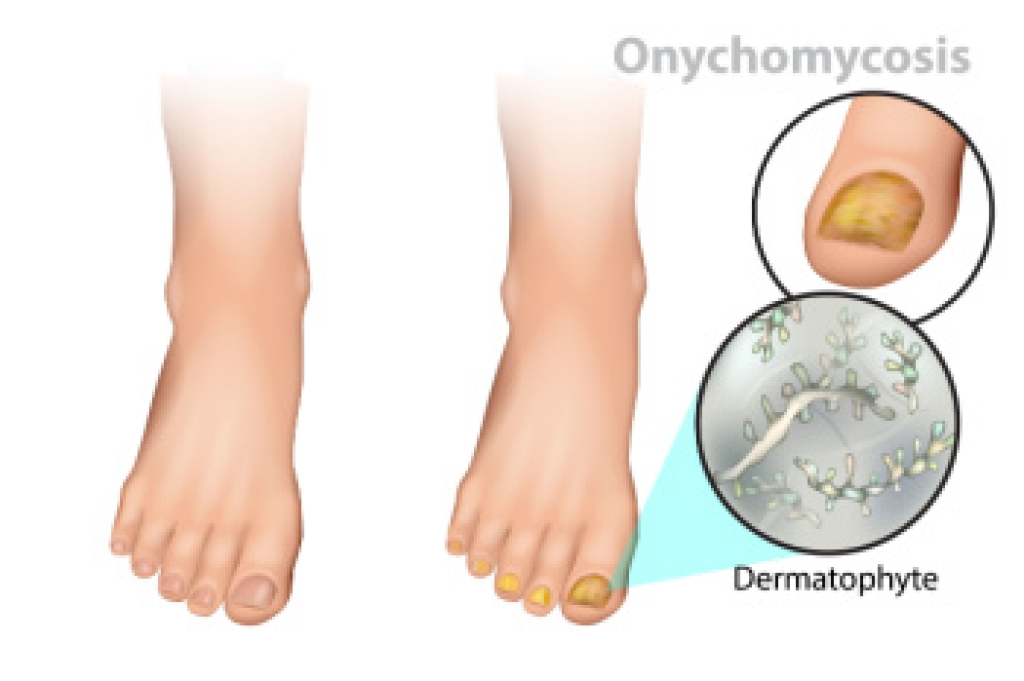
Toenail fungus, also known as mycosis nail fungus or onychomycosis, is a fungal infection that develops in or beneath a toenail. It can begin gradually, making early changes easy to miss. Common symptoms include yellow, white, or brown discoloration, along with nails that become thick, brittle, or separated from the nail bed. Although toenail fungus is usually not dangerous, prompt care can help prevent the infection from becoming more difficult to treat.
There are several types of toenail fungus. Distal subungual infection is the most common and typically begins beneath the nail tip before spreading deeper. White superficial infection affects the nail surface and may cause chalky white patches. Additionally, proximal subungual infection begins near the nail base and gradually moves outward. These infections can develop after exposure to fungi in warm, damp environments. Walking barefoot in shared showers, using contaminated nail-care tools, and wearing sweaty footwear can increase exposure. Risk factors include diabetes, poor circulation, and a weakened immune system.
A podiatrist will examine the affected nail and look for other conditions that may cause similar changes. When needed, a small nail sample can be tested to confirm a fungal infection. Treatment depends on the type and severity of the infection. A podiatrist may recommend prescription topical antifungal medication or oral antifungal medicine. The nail may also be carefully trimmed or thinned to improve medication contact. Keeping feet clean and dry, changing socks regularly, and choosing breathable footwear can support treatment and help reduce recurrence.
Toenail fungus can be unsightly and uncomfortable. If you notice changes in toenail color, thickness, or texture, it is suggested that you consult a podiatrist for effective treatment solutions.
For more information about treatment, contact Jennifer M. Kern, DPM of South Carolina. Our doctor can provide the care you need to keep you pain-free and on your feet.
Toenail Fungus Treatment
Toenail fungus is a condition that affects many people and can be especially hard to get rid of. Fortunately, there are several methods to go about treating and avoiding it.
Antifungals & Deterrence
Oral antifungal medicine has been shown to be effective in many cases. It is important to consult with a podiatrist to determine the proper regiment for you, or potentially explore other options.
Applying foot powder on the feet and shoes helps keep the feet free of moisture and sweat.
Sandals or open toed shoes – Wearing these will allow air movement and help keep feet dry. They also expose your feet to light, which fungus cannot tolerate. Socks with moisture wicking material also help as well.
If you have any questions please contact our office located in West Columbia, SC . We offer the newest diagnostic and treatment technologies for all your foot and ankle needs.
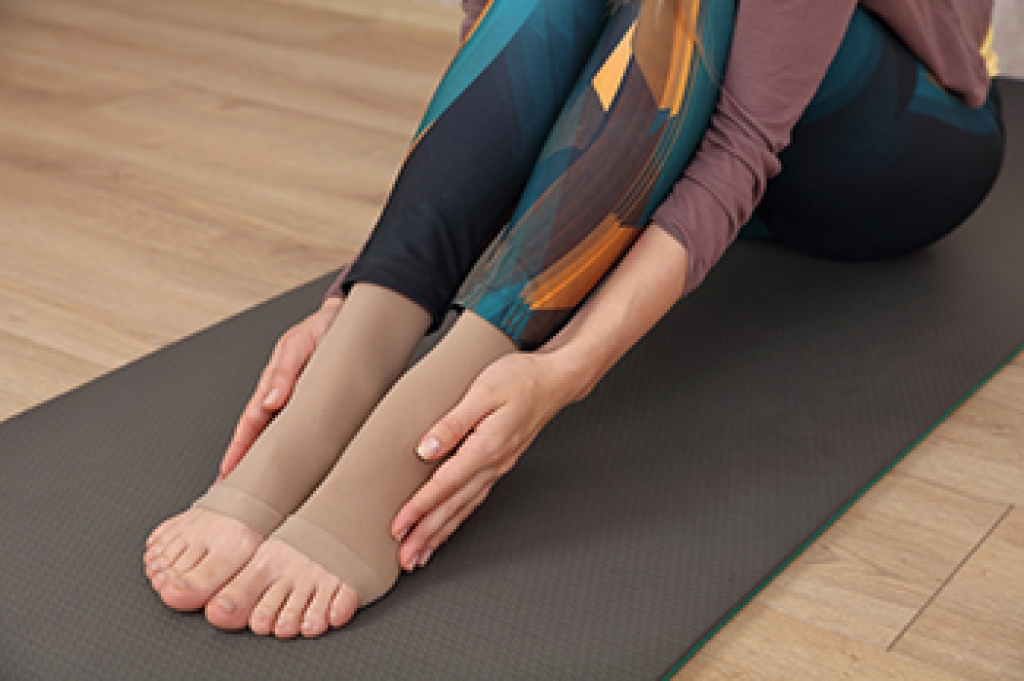
Poor circulation happens when blood does not flow effectively to parts of the body. The feet are vulnerable because they are far from the heart. Reduced blood flow can limit the oxygen and nutrients reaching the tissues. Signs can include numbness, tingling, and swelling. The feet can also feel unusually cold or develop changes in skin color. Poor circulation can contribute to aching or cramping in the legs and feet. Wounds can also heal more slowly when the tissues do not receive enough blood.
Several health problems can interfere with circulation. Atherosclerosis occurs when plaque builds up inside arteries, causing them to narrow and harden. When this problem affects the limbs, it is called peripheral artery disease, or PAD. Diabetes can also damage blood vessels and contribute to circulation problems. Blood clots can restrict or completely block blood flow. Smoking can narrow blood vessels and increase plaque buildup. Limited physical activity can also raise the risk of conditions linked to poor circulation. These causes make persistent changes in the feet important to evaluate.
A podiatrist can examine the feet for signs that blood flow is reduced. The evaluation can include checking skin color, temperature, and pulses in the feet. A podiatrist can also look for sores that are healing slowly and changes in the toenails or skin. Tests can help determine whether circulation problems are affecting the lower limbs. Treatment depends on the cause and severity of reduced blood flow. Early evaluation is important because poor circulation can interfere with wound healing and increase the risk of serious foot complications. Regular podiatric care can help protect vulnerable feet and identify concerning changes before they become more severe. If you have symptoms of poor circulation, it is suggested that you schedule an appointment with a podiatrist for a diagnosis and appropriate treatment.
While poor circulation itself isn’t a condition; it is a symptom of another underlying health condition you may have. If you have any concerns with poor circulation in your feet contact Jennifer M. Kern, DPM of South Carolina. Our doctor will treat your foot and ankle needs.
Poor Circulation in the Feet
Peripheral artery disease (PAD) can potentially lead to poor circulation in the lower extremities. PAD is a condition that causes the blood vessels and arteries to narrow. In a linked condition called atherosclerosis, the arteries stiffen up due to a buildup of plaque in the arteries and blood vessels. These two conditions can cause a decrease in the amount of blood that flows to your extremities, therefore resulting in pain.
Symptoms
Some of the most common symptoms of poor circulation are:
Treatment for poor circulation often depends on the underlying condition that causes it. Methods for treatment may include insulin for diabetes, special exercise programs, surgery for varicose veins, or compression socks for swollen legs.
As always, see a podiatrist as he or she will assist in finding a regimen that suits you. A podiatrist can also prescribe you any needed medication.
If you have any questions, please feel free to contact our office located in West Columbia, SC . We offer the newest diagnostic and treatment technologies for all your foot care needs.

Proper shoe fit plays an important role in keeping the feet comfortable and reducing the risk of developing problems. Wearing shoes that are too narrow or tight can place unnecessary pressure on the feet. A well-fitting shoe should match the natural shape of the foot rather than forcing the foot into an uncomfortable position. Shoe sizes can vary between brands and styles, so the number printed inside a shoe does not always determine whether it fits correctly. Both feet should also be measured because one foot may be larger than the other. Choosing footwear based on the larger foot can provide a more comfortable fit.
Several features can help determine whether footwear fits and functions properly. Stability is important because the foot should not roll or twist too easily inside the shoe. Cushioning can help absorb shock, while proper support allows the bottom of the foot to sit comfortably against the footbed. There should also be enough space between the longest toe and the end of the shoe. Foot shape matters as well. Someone with a wide or square-shaped foot may need a different fit than someone with a long or narrow foot shape. Shoes should feel comfortable when first worn rather than relying on them to become comfortable later.
A podiatrist can evaluate foot structure and identify problems that may make finding properly fitting shoes more difficult. Foot type can affect footwear needs, especially when the foot is either particularly flexible or rigid. A podiatrist can also assess areas of pressure and determine whether additional support may be appropriate. In some cases, an orthotic device or custom insole may help the foot sit more securely against the shoe’s footbed. Proper footwear can support foot comfort and healthy movement throughout daily activities. If poorly fitting shoes are contributing to ongoing foot pain or discomfort, it is suggested that you consult a podiatrist for an evaluation and appropriate footwear recommendations.
Getting the right shoe size is an important part of proper foot health. Seek the assistance of Jennifer M. Kern, DPM from South Carolina. Our doctor will provide the care you need to keep you pain-free and on your feet.
Getting the Right Shoe Size
There are many people who wear shoes that are the incorrect size, negatively affecting their feet and posture. Selecting the right shoes is not a difficult process, so long as you keep several things in mind when it comes to choosing the right pair.
As our feet hold our body weight and keep us moving, it is important to treat them right. Picking the right pair of shoes can provide your feet comfort and mobility without pain.
If you have any questions, please feel free to contact our office located in West Columbia, SC . We offer the newest diagnostic and treatment technologies for all your foot care needs.
Connect With Us


