Causes of Heel and Back-of-Foot Pain in Older Adults

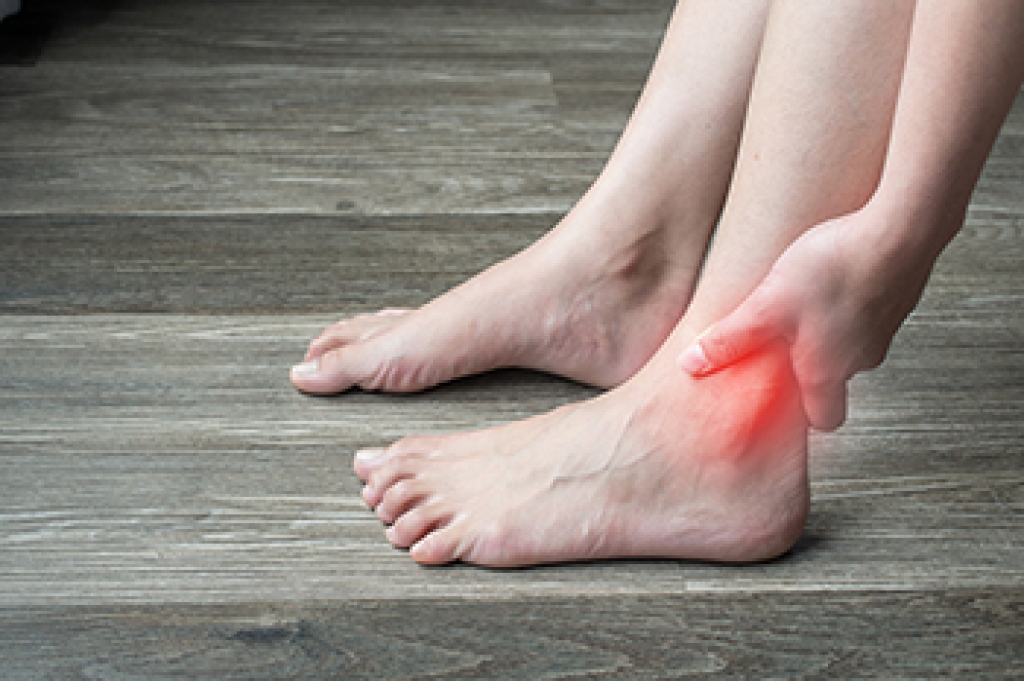
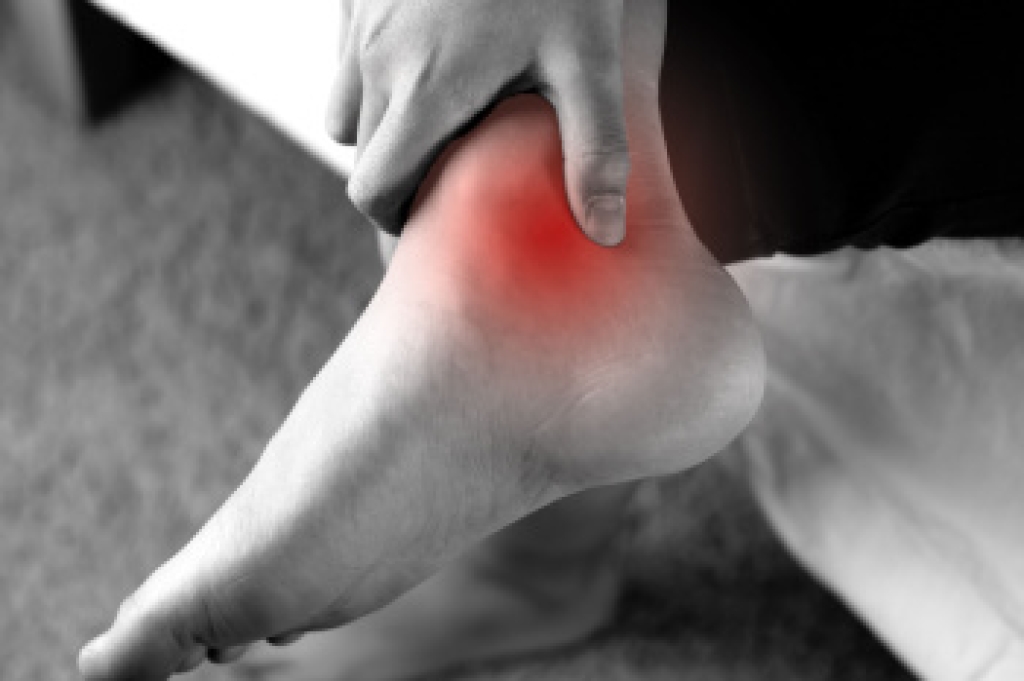
Heel and back-of-the-foot pain in older adults often develops due to age-related changes that affect the strength and flexibility of muscles and connective tissues. One common cause is strain of the plantar fascia, the band of tissue that supports the arch of the foot, which can lead to persistent heel pain. Risk factors include having high or low arches, wearing high heeled shoes, sudden weight gain, and a sedentary lifestyle that weakens supportive structures. These factors place added stress on the heel and surrounding areas, making movement uncomfortable. A podiatrist can diagnose the underlying cause, provide targeted treatments, and recommend supportive footwear and exercises. If you are elderly and have developed foot pain, it is suggested that you are under the care of a podiatrist who can provide effective relief and treatment solutions.

Proper foot care is something many older adults forget to consider. If you have any concerns about your feet and ankles, contact Jennifer M. Kern, DPM from South Carolina. Our doctor can provide the care you need to keep you pain-free and on your feet.

The Elderly and Their Feet

As we age we start to notice many changes in our body, but the elder population may not notice them right away. Medical conditions may prevent the elderly to take notice of their foot health right away. Poor vision is a lead contributor to not taking action for the elderly.

Common Conditions 

  • Neuropathy – can reduce feeling in the feet and can hide many life-threatening medical conditions.
  • Reduced flexibility – prevents the ability of proper toenail trimming, and foot cleaning. If left untreated, it may lead to further medical issues.
  • Foot sores – amongst the older population can be serious before they are discovered. Some of the problematic conditions they may face are:
  • Gouging toenails affecting nearby toe
  • Shoes that don’t fit properly
  • Pressure sores
  • Loss of circulation in legs & feet
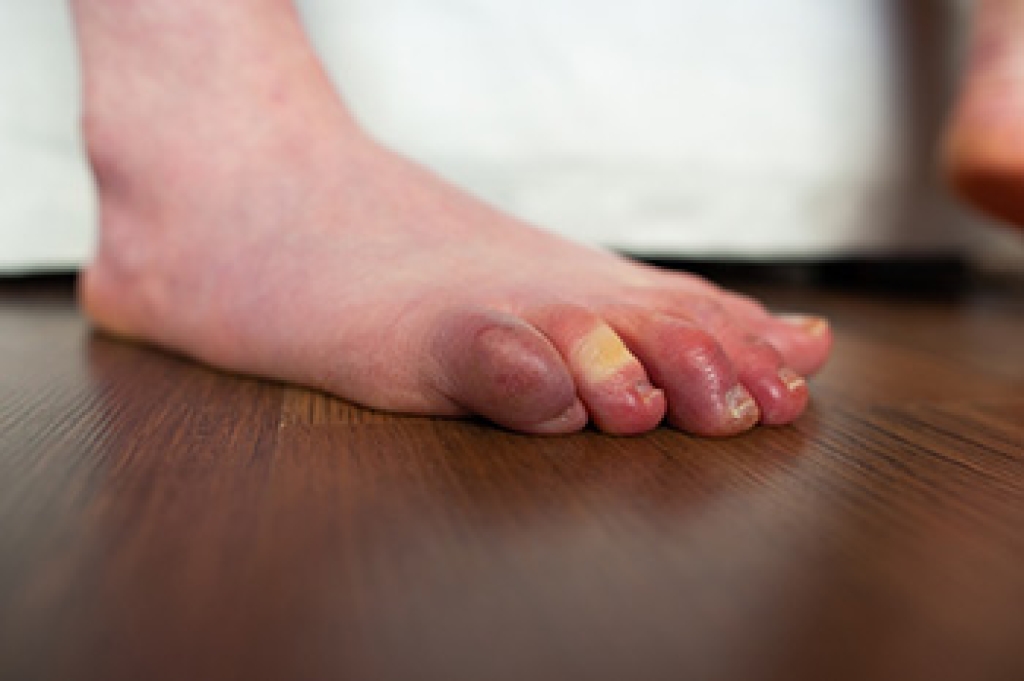
  • Edema & swelling of feet and ankles

Susceptible Infections

Diabetes and poor circulation can cause general loss of sensitivity over the years, turning a simple cut into a serious issue.

If you have any questions, please feel free to contact our office located in West Columbia, SC . We offer the newest diagnostic and treatment technologies for all your foot care needs.
Read more about Elderly Foot Care

Osteoarthritis and Its Impact on Foot Health

Osteoarthritis is a degenerative joint condition that occurs when cartilage wears down over time, leading to pain and stiffness. In the feet, it often affects joints in the toes and midfoot, making walking uncomfortable. Causes include aging, excess body weight, genetic predisposition, and other forms of arthritis that contribute to joint damage. Symptoms include pain, swelling in foot joints, reduced flexibility, and discomfort that may worsen at night. Persistent foot pain can interfere with daily activities and overall quality of life. A podiatrist can diagnose the condition, recommend supportive footwear, provide custom orthotics, and develop a treatment plan to reduce pain and improve mobility. If you are experiencing ongoing foot discomfort or swelling, it is suggested that you consult a podiatrist who can offer effective relief and management solutions.

Arthritis can be a difficult condition to live with. If you are seeking treatment, contact Jennifer M. Kern, DPM from South Carolina. Our doctor can provide the care you need to keep you pain-free and on your feet.

Arthritic Foot Care  

Arthritis is a term that is commonly used to describe joint pain.  The condition itself can occur to anyone of any age, race, or gender, and there are over 100 types of it.  Nevertheless, arthritis is more commonly found in women compared to men, and it is also more prevalent in those who are overweight. The causes of arthritis vary depending on which type of arthritis you have. Osteoarthritis for example, is often caused by injury, while rheumatoid arthritis is caused by a misdirected immune system.

Symptoms

  • Swelling
  • Pain
  • Stiffness
  • Decreased Range of Motion

Arthritic symptoms range in severity, and they may come and go. Some symptoms stay the same for several years but could potentially get worse with time. Severe cases of arthritis can prevent its sufferers from performing daily activities and make walking difficult.

Risk Factors

  • Occupation – Occupations requiring repetitive knee movements have been linked to osteoarthritis
  • Obesity – Excess weight can contribute to osteoarthritis development
  • Infection – Microbial agents can infect the joints and trigger arthritis
  • Joint Injuries – Damage to joints may lead to osteoarthritis
  • Age – Risk increases with age
  • Gender –Most types are more common in women
  • Genetics – Arthritis can be hereditary

If you suspect your arthritis is affecting your feet, it is crucial that you see a podiatrist immediately. Your doctor will be able to address your specific case and help you decide which treatment method is best for you.

If you have any questions please feel free to contact our office located in West Columbia, SC . We offer the newest diagnostic tools and technology to treat your foot and ankle needs.

Read more about Arthritic Foot Care

When the Outside of the Foot Becomes a Problem

A tailor’s bunion, also known as a bunionette, develops at the base of the small toe when the 5th metatarsal bone shifts outward. This condition may be caused by inherited foot structure, repetitive pressure, or tight footwear that crowds the toes. Symptoms include aching pain, swelling, and irritation on the outside of the foot, along with signs such as redness, callus formation, and tenderness. The area may look like a small bony bump and can feel sore or burning, especially when wearing narrow shoes or walking for long periods. Over time, discomfort may interfere with daily activities. A podiatrist can help by starting with a careful examination and imaging when needed to confirm the diagnosis and assess bone alignment. Treatment usually begins with footwear changes, padding, and custom orthotics, and may progress to medications, targeted exercises, or corrective procedures when conservative care does not provide relief. If you have a painful tailor’s bunion, it is suggested that you make an appointment with a podiatrist.

If you are suffering from bunions, contact Jennifer M. Kern, DPM of South Carolina. Our doctor can provide the care you need to keep you pain-free and on your feet.

What Is a Bunion?

A bunion is formed of swollen tissue or an enlargement of boney growth, usually located at the base joint of the toe that connects to the foot. The swelling occurs due to the bones in the big toe shifting inward, which impacts the other toes of the foot. This causes the area around the base of the big toe to become inflamed and painful.

Why Do Bunions Form?

Genetics – Susceptibility to bunions are often hereditary

Stress on the feet – Poorly fitted and uncomfortable footwear that places stress on feet, such as heels, can worsen existing bunions

How Are Bunions Diagnosed?

Podiatrists often perform two tests – blood tests and x-rays – when trying to diagnose bunions, especially in the early stages of development. Blood tests help determine if the foot pain is being caused by something else, such as arthritis, while x-rays provide a clear picture of your bone structure to your provider.

How Are Bunions Treated?

  • Refrain from wearing heels or similar shoes that cause discomfort
  • Select wider shoes that can provide more comfort and reduce pain
  • Anti-inflammatory and pain management drugs
  • Orthotics or foot inserts
  • Surgery

If you have any questions, please feel free to contact our office located in West Columbia, SC . We offer the newest diagnostic and treatment technologies for all your foot care needs.
Read more about Bunions

Plantar Warts Can Be Treated!

Plantar warts are small growths that develop on parts of the feet that bear weight. They're typically found on the bottom of the foot. Don't live with plantar warts, and call us today!

Causes of Foot Cramps

A foot cramp is a sudden, painful muscle contraction in the foot that occurs when muscles tighten involuntarily and temporarily lose normal control. These spasms may develop from several underlying causes, including nerve-related damage, wearing tight-fitting shoes that place pressure on foot muscles, dehydration, or low potassium levels that affect muscle function. Symptoms include sharp pain, muscle tightening, and temporary difficulty moving the foot until the muscle relaxes. Risk factors may involve prolonged standing, overuse during physical activity, poor circulation, and inadequate hydration. A podiatrist can evaluate foot structure, identify contributing factors, and recommend supportive footwear, stretching guidance, and treatment options. If you have recurring foot cramps that interfere with comfort or activity, it is suggested that you consult a podiatrist who can offer effective relief solutions.

Foot Pain

Foot pain can be extremely painful and debilitating. If you have a foot pain, consult with Jennifer M. Kern, DPM from South Carolina. Our doctor will assess your condition and provide you with quality foot and ankle treatment.

Causes

Foot pain is a very broad condition that could be caused by one or more ailments. The most common include:

  • Bunions
  • Hammertoes
  • Plantar Fasciitis
  • Bone Spurs
  • Corns
  • Tarsal Tunnel Syndrome
  • Ingrown Toenails
  • Arthritis (such as Gout, Rheumatoid, and Osteoarthritis)
  • Flat Feet
  • Injury (from stress fractures, broken toe, foot, ankle, Achilles tendon ruptures, and sprains)
  • And more

Diagnosis

To figure out the cause of foot pain, podiatrists utilize several different methods. This can range from simple visual inspections and sensation tests to X-rays and MRI scans. Prior medical history, family medical history, and any recent physical traumatic events will all be taken into consideration for a proper diagnosis.

Treatment

Treatment depends upon the cause of the foot pain. Whether it is resting, staying off the foot, or having surgery; podiatrists have a number of treatment options available for foot pain.

If you have any questions, please feel free to contact our office located in West Columbia, SC . We offer the newest diagnostic and treatment technologies for all your foot care needs.

Read more about Foot Pain

Connect With Us

scroll to top