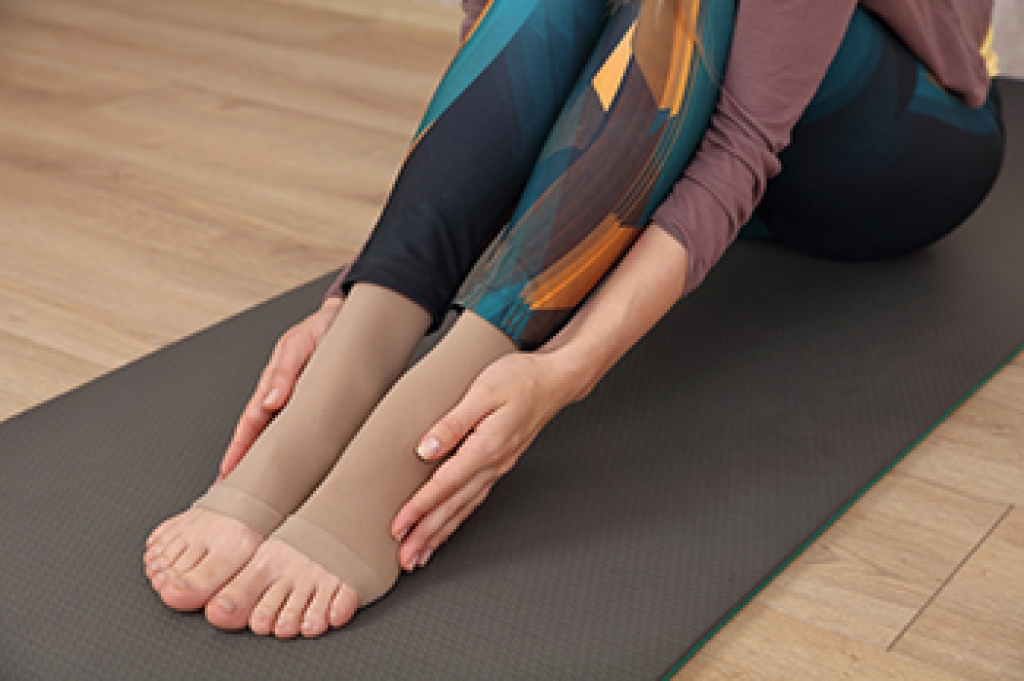
Poor circulation happens when blood does not flow effectively to parts of the body. The feet are vulnerable because they are far from the heart. Reduced blood flow can limit the oxygen and nutrients reaching the tissues. Signs can include numbness, tingling, and swelling. The feet can also feel unusually cold or develop changes in skin color. Poor circulation can contribute to aching or cramping in the legs and feet. Wounds can also heal more slowly when the tissues do not receive enough blood.
Several health problems can interfere with circulation. Atherosclerosis occurs when plaque builds up inside arteries, causing them to narrow and harden. When this problem affects the limbs, it is called peripheral artery disease, or PAD. Diabetes can also damage blood vessels and contribute to circulation problems. Blood clots can restrict or completely block blood flow. Smoking can narrow blood vessels and increase plaque buildup. Limited physical activity can also raise the risk of conditions linked to poor circulation. These causes make persistent changes in the feet important to evaluate.
A podiatrist can examine the feet for signs that blood flow is reduced. The evaluation can include checking skin color, temperature, and pulses in the feet. A podiatrist can also look for sores that are healing slowly and changes in the toenails or skin. Tests can help determine whether circulation problems are affecting the lower limbs. Treatment depends on the cause and severity of reduced blood flow. Early evaluation is important because poor circulation can interfere with wound healing and increase the risk of serious foot complications. Regular podiatric care can help protect vulnerable feet and identify concerning changes before they become more severe. If you have symptoms of poor circulation, it is suggested that you schedule an appointment with a podiatrist for a diagnosis and appropriate treatment.
While poor circulation itself isn’t a condition; it is a symptom of another underlying health condition you may have. If you have any concerns with poor circulation in your feet contact Jennifer M. Kern, DPM of South Carolina. Our doctor will treat your foot and ankle needs.
Poor Circulation in the Feet
Peripheral artery disease (PAD) can potentially lead to poor circulation in the lower extremities. PAD is a condition that causes the blood vessels and arteries to narrow. In a linked condition called atherosclerosis, the arteries stiffen up due to a buildup of plaque in the arteries and blood vessels. These two conditions can cause a decrease in the amount of blood that flows to your extremities, therefore resulting in pain.
Symptoms
Some of the most common symptoms of poor circulation are:
- Numbness
- Tingling
- Throbbing or stinging pain in limbs
- Pain
- Muscle Cramps
Treatment for poor circulation often depends on the underlying condition that causes it. Methods for treatment may include insulin for diabetes, special exercise programs, surgery for varicose veins, or compression socks for swollen legs.
As always, see a podiatrist as he or she will assist in finding a regimen that suits you. A podiatrist can also prescribe you any needed medication.
If you have any questions, please feel free to contact our office located in West Columbia, SC . We offer the newest diagnostic and treatment technologies for all your foot care needs.


