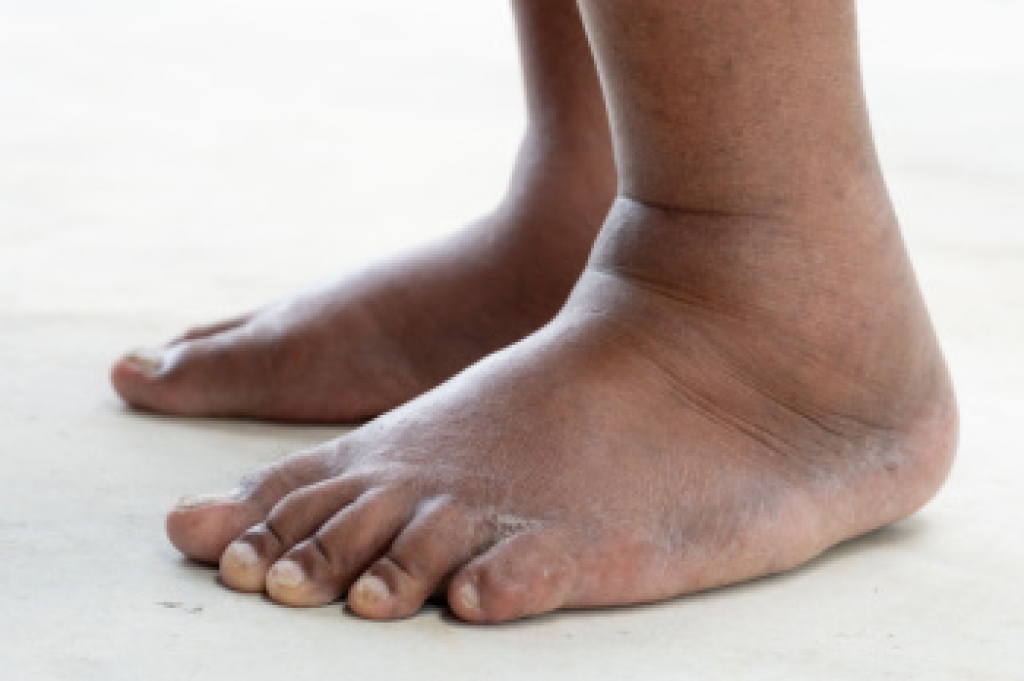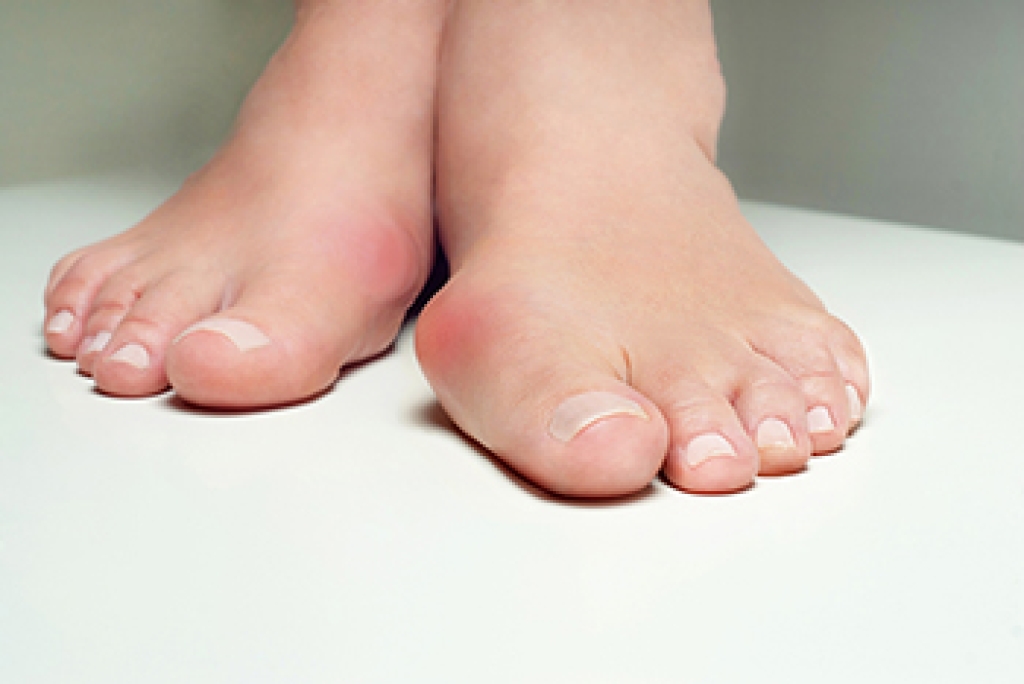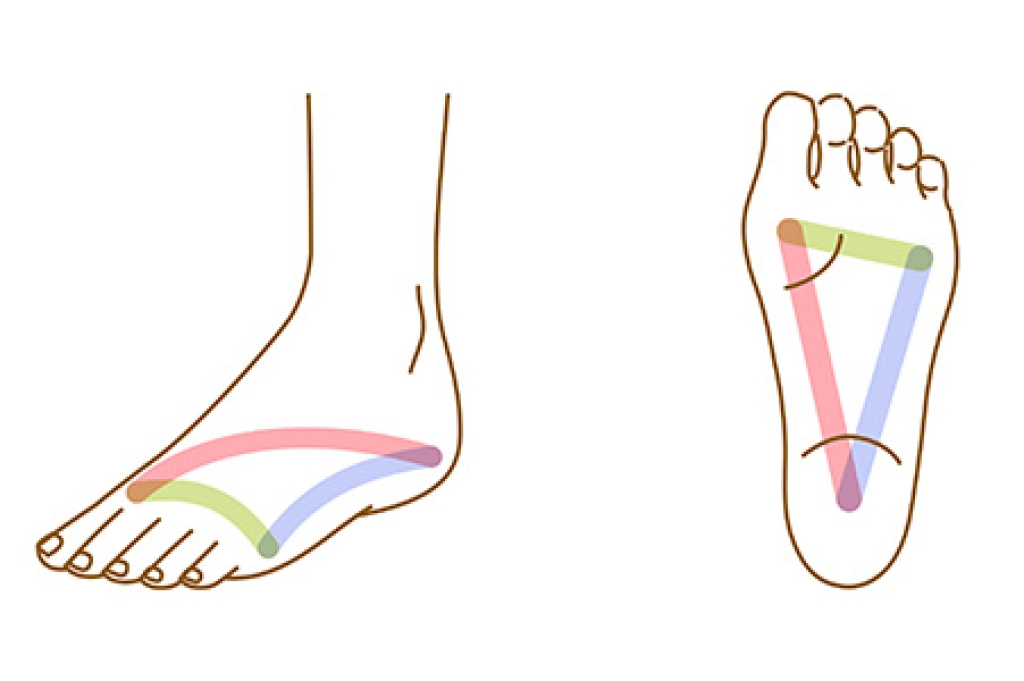
Fabry disease is a rare genetic disorder caused by a deficiency of an enzyme needed to break down certain fatty substances in the body. This buildup can affect multiple organs, including the nerves and blood vessels in the feet. Individuals may experience burning pain, tingling, numbness, and sensitivity to temperature, which can interfere with daily activities. Symptoms often begin in childhood or adolescence and may worsen over time. This condition is inherited. A podiatrist can help manage foot-related symptoms by assessing nerve function, recommending protective footwear, and providing strategies to reduce discomfort and prevent complications. Early recognition and care are important for maintaining mobility. If you have symptoms of Fabry disease, it is suggested that you consult a podiatrist who can provide an accurate diagnosis and treatment.
Some foot conditions may require additional professional care. If you have any concerns, contact Jennifer M. Kern, DPM of South Carolina. Our doctor can provide the care you need to keep you pain-free and on your feet.
Rare Foot Conditions
The majority of foot conditions are common and can be treated by a podiatrist. Standard diagnostic procedures are generally used to identify specific conditions and treatment can be rendered. A podiatrist also treats rare foot conditions which can be difficult to diagnose and may need extra attention and care.
There are many rare foot conditions that can affect children. Some of these can include:
- Freiberg’s disease
- Kohler’s disease
- Maffucci syndrome
Freiberg’s disease - This can be seen as a deterioration and flattening of a metatarsal bone that exists in the ball of the foot. It typically affects pre-teen and teenage girls, but can affect anyone at any age. Symptoms that can accompany this can be swelling, stiffness, and the patient may limp.
Kohler’s disease - This often targets the bone in the arch of the foot and affects younger boys. It can lead to an interruption of the blood supply which ultimately can lead to bone deterioration. The patient may limp or experience tenderness, swelling, and redness.
Maffucci syndrome - This affects the long bones in a child’s foot leading to the development of abnormal bone lesions. They are benign growths and typically develop in early childhood and the bones may be susceptible to breaking.
A podiatrist can properly diagnose and treat all types of rare foot conditions. If your child is affected by any of these symptoms or conditions, please don’t hesitate to call our office so the correct treatment method can begin.
If you have any questions, please feel free to contact our office located in West Columbia, SC . We offer the newest diagnostic and treatment technologies for all your foot care needs.